
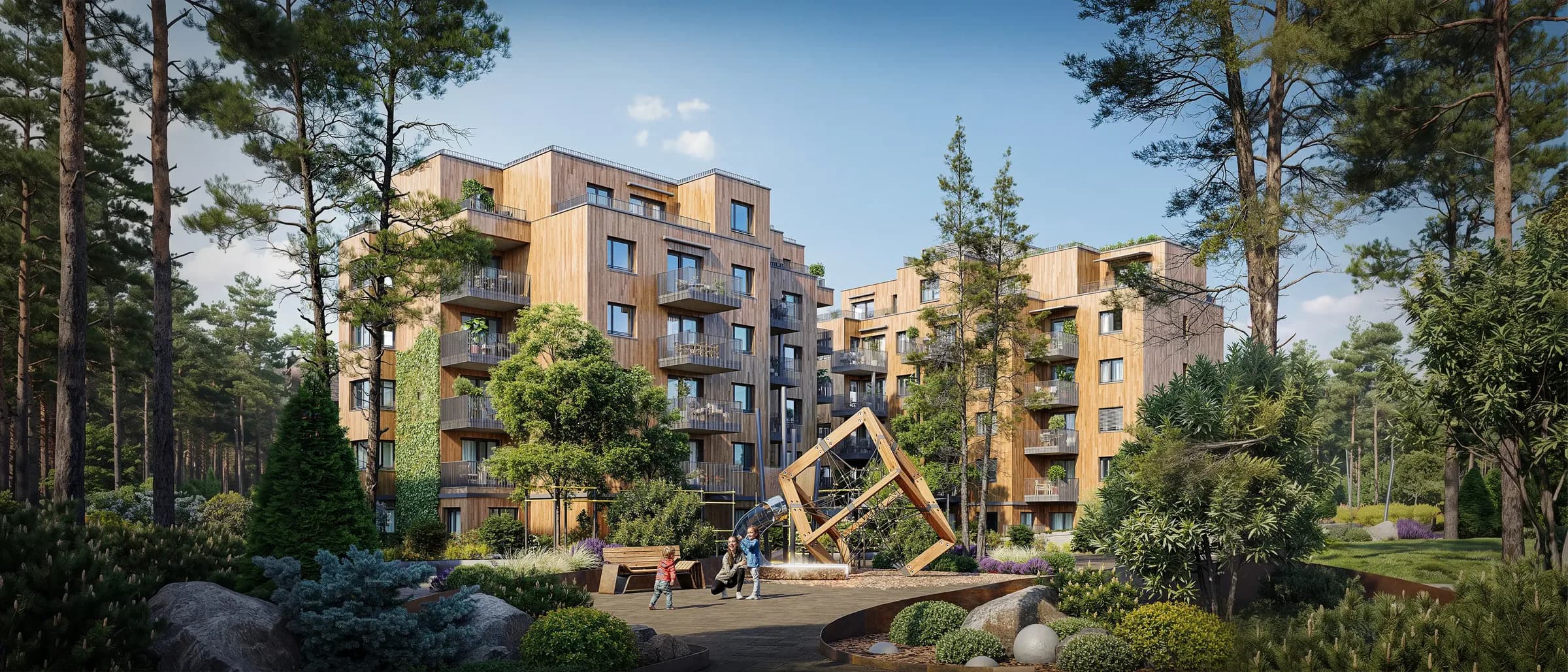
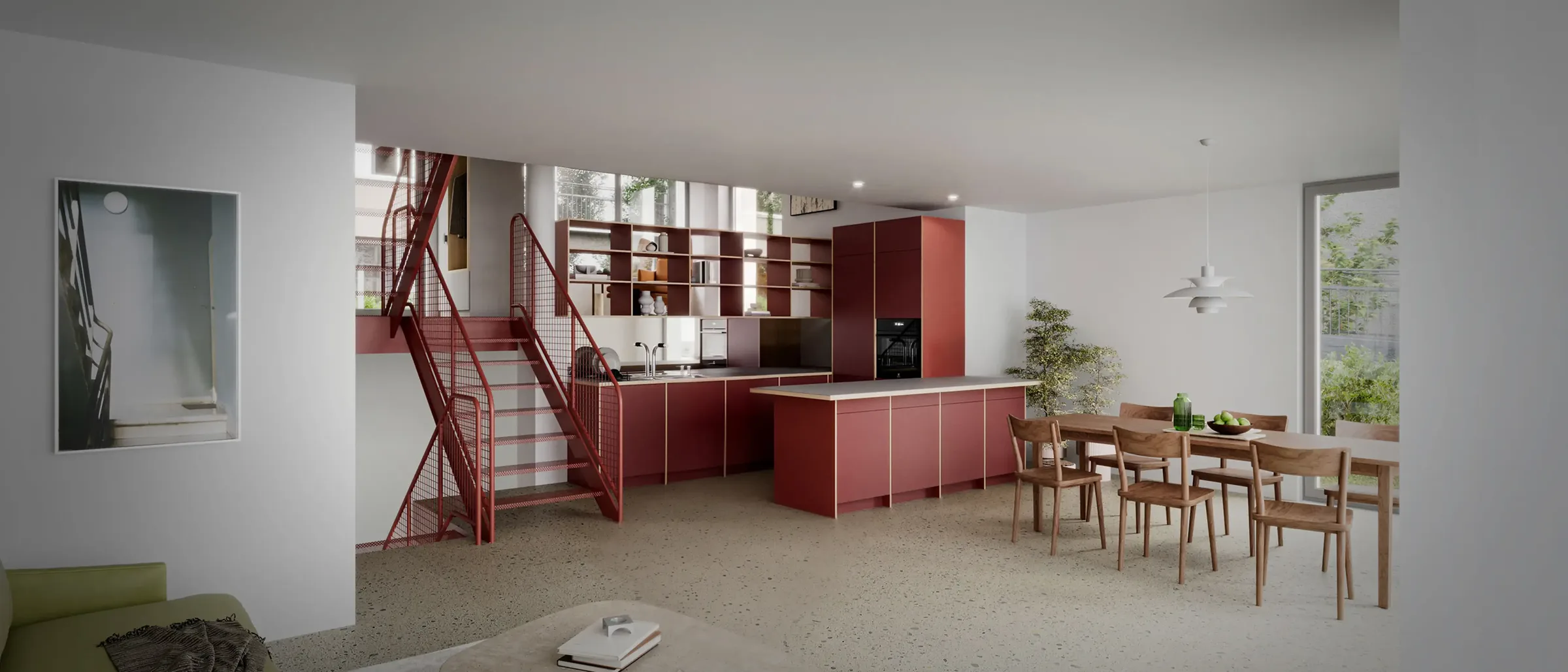

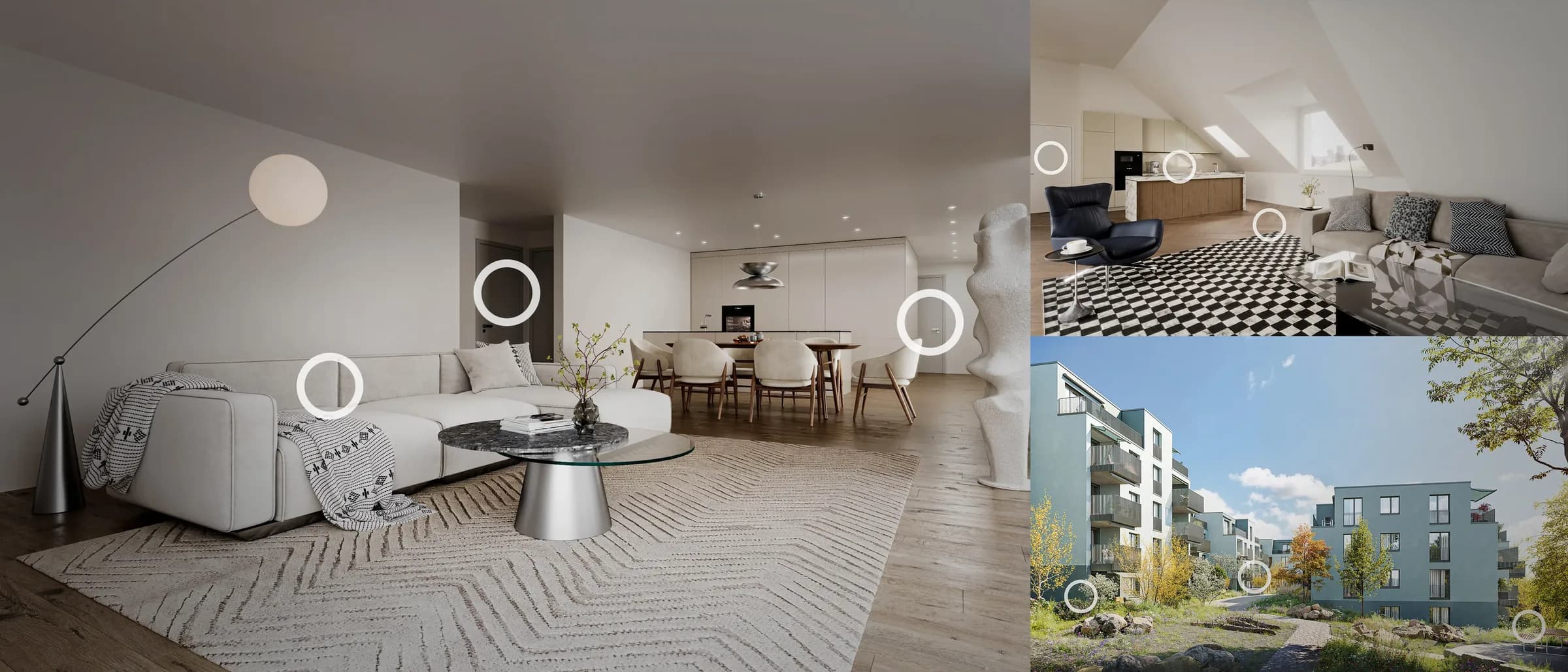

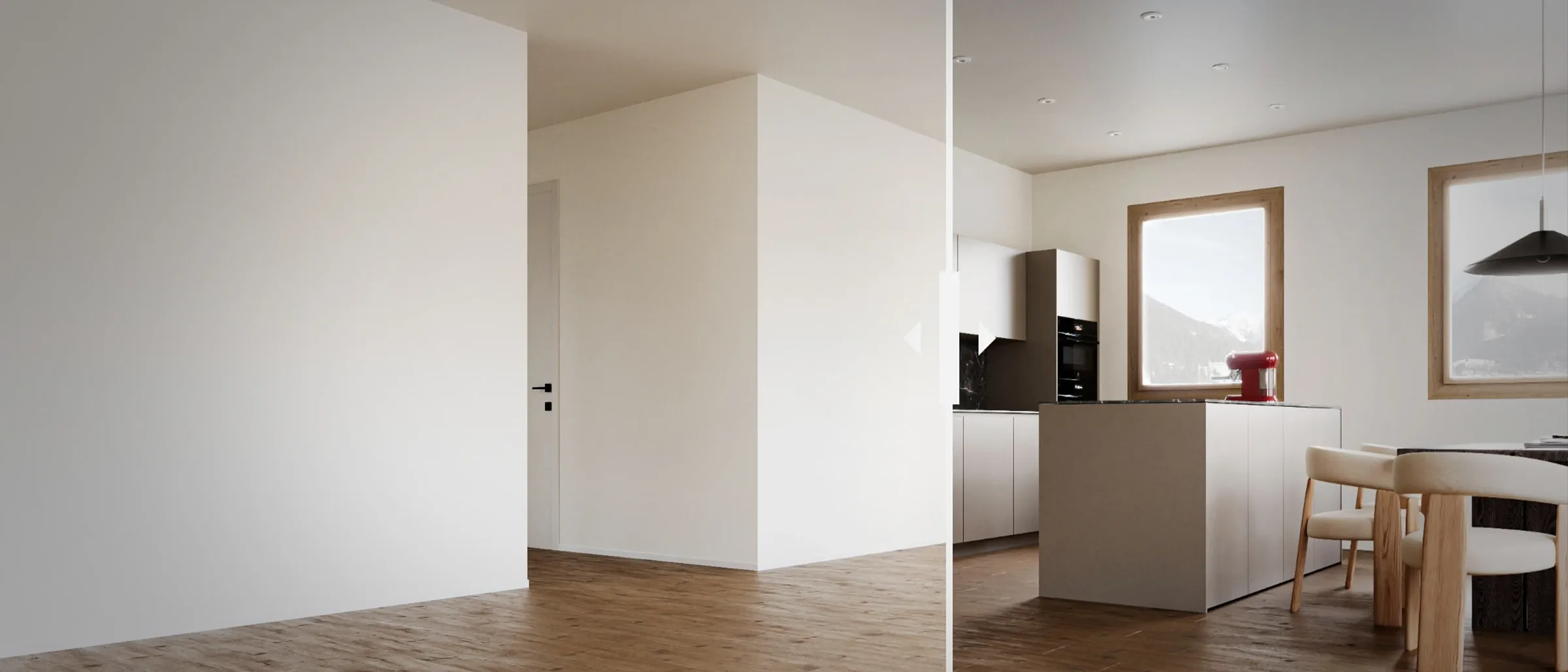
Virtual staging is the digital furnishing of a photograph of an empty room: furniture, lighting and decor are placed into the real photo at correct scale and perspective, so a listing shows a home instead of bare walls. It costs a fraction of physical staging and is delivered in days.
When it is used
For empty apartments and houses on sale or for rent, for renovation projects where the finished state has to be shown in the existing room, and for new builds where the show apartment has been photographed bare. Estate agents use it to make a listing stand out on the portals; developers use it to show two furnishing styles to two buyer groups from one photo.
What good virtual staging looks like
The furniture has the right size for the room, its shadows fall where the window light falls, reflections appear in the floor, and nothing floats. The style matches the building and the buyer: a loft is not furnished like a family flat. The original photo is delivered alongside and the image is labelled as virtually staged, which the Swiss, German and Austrian portals expect.
Cost and time
From about CHF 190 per photo, with an apartment of six to eight photos delivered in two to three working days. Clearing an occupied room of its old furniture first costs a little extra. Compared with physical staging — rental furniture, transport, insurance, a stylist, for every month on the market — it is typically ten to twenty times cheaper.
Related questions
Is virtual staging legal in real estate listings?
Yes, when declared. A note such as 'virtually staged' on the image or in the text, plus the original photo, keeps the listing honest and portal-compliant.
Can walls, floors or the kitchen be changed too?
Yes. For renovation projects we replace floors, repaint walls and insert a new kitchen in the existing photo, and deliver a before-and-after pair.
What photos are needed?
The listing photos at full resolution, straight and well lit; wide-angle shots of the main rooms work best.